


Introduction to a Global Geospatial Leader
In the modern world of construction, mapping, and industrial measurement, precision is no longer optional—it is essential. One of the most influential names driving this transformation is leica geosystems hexagon, a combination of Swiss engineering excellence and global digital intelligence. It represents the partnership between Leica Geosystems and its parent organization Hexagon AB, forming one of the strongest ecosystems in geospatial technology.
- Introduction to a Global Geospatial Leader
- Origins and Corporate Background
- Bio Table
- What Makes Leica Geosystems Hexagon Important
- Technology and Core Solutions
- Role in Smart Cities and Infrastructure Development
- Industrial Impact and Real-World Applications
- Digital Reality and Future Innovation
- Company Profile Insights
- Why Industries Trust Leica Geosystems Hexagon
- Future Outlook
- Conclusion
- FAQs
The phrase leica geosystems hexagon is often used to describe not just a company, but a complete technological ecosystem that connects real-world measurement with advanced software, artificial intelligence, and digital twin creation. This combination has reshaped industries like construction, mining, transportation, and urban planning.
At its core, this system allows professionals to capture the physical world with extreme accuracy and convert it into usable digital data for planning and decision-making.
Origins and Corporate Background
The story of leica geosystems hexagon begins in Switzerland, where Leica Geosystems was originally established with a focus on precision optics and surveying instruments. Over time, it evolved into a global leader in geospatial measurement technologies.
Hexagon AB acquired Leica Geosystems to strengthen its position in digital reality solutions. Today, Leica operates as a key division within Hexagon’s Geosystems business unit, contributing hardware, sensors, and field data solutions, while Hexagon provides software intelligence and analytics platforms.
This partnership has created a unified structure where physical measurement tools and digital ecosystems work seamlessly together.
Unlike many traditional engineering companies, leica geosystems hexagon is not limited to one industry. Instead, it serves as a backbone technology provider for multiple sectors that depend on accuracy, automation, and spatial intelligence.
Bio Table
| Field | Details |
|---|---|
| Company Name | Leica Geosystems |
| Parent Company | Hexagon AB |
| Full Keyword Focus | leica geosystems hexagon |
| Industry | Geospatial Technology, Surveying, Digital Reality |
| Headquarters | Heerbrugg, Switzerland (Leica), Stockholm, Sweden (Hexagon AB) |
| Founded | Leica roots: 1921 |
| CEO (Hexagon AB) | Paolo Guglielmini |
| Core Products | Total stations, GNSS systems, 3D laser scanners, mapping software |
| Main Use Cases | Construction, mining, smart cities, infrastructure planning |
| Technology Focus | Digital twins, geospatial intelligence, AI-based mapping |
| Global Reach | Worldwide (100+ countries) |
| Category Type | Engineering / Geospatial Technology Company |
What Makes Leica Geosystems Hexagon Important
The importance of leica geosystems hexagon lies in its ability to bridge the gap between the physical and digital worlds. In simple terms, it helps industries understand real environments in digital form.
Surveying teams can scan land, buildings, or infrastructure using laser scanners, GNSS systems, and total stations. That data is then processed into 3D models, known as digital twins, which can be used for design, monitoring, and simulation.
This process significantly reduces human error and increases efficiency in large-scale engineering projects. For example, construction companies can detect design conflicts before building begins, saving both time and cost.
The influence of leica geosystems hexagon continues to grow as industries move toward automation and smart infrastructure systems.
Technology and Core Solutions
One of the strongest aspects of leica geosystems hexagon is its wide range of technologies designed for real-world applications.
The company provides advanced surveying instruments that include robotic total stations, GPS/GNSS receivers, and precision leveling systems. These tools allow engineers to measure land and structures with millimeter-level accuracy.
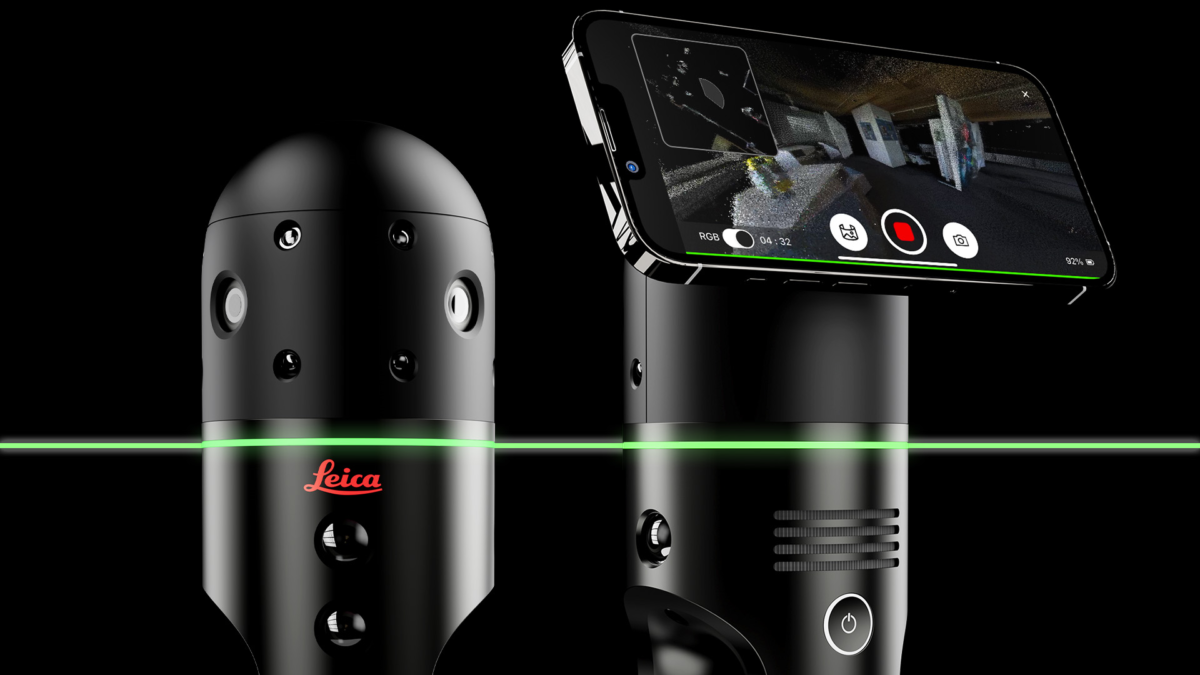
Another major innovation is 3D laser scanning. This technology captures millions of data points from physical environments and converts them into highly detailed digital representations. These scans are widely used in construction planning, renovation projects, and industrial plant management.
In addition, leica geosystems hexagon also focuses heavily on construction automation. Machine control systems guide heavy equipment such as excavators and bulldozers, ensuring precise digging and grading without constant manual measurement.
Software platforms from Hexagon complement these tools by analyzing collected data, managing workflows, and supporting decision-making through AI-powered insights.
Role in Smart Cities and Infrastructure Development
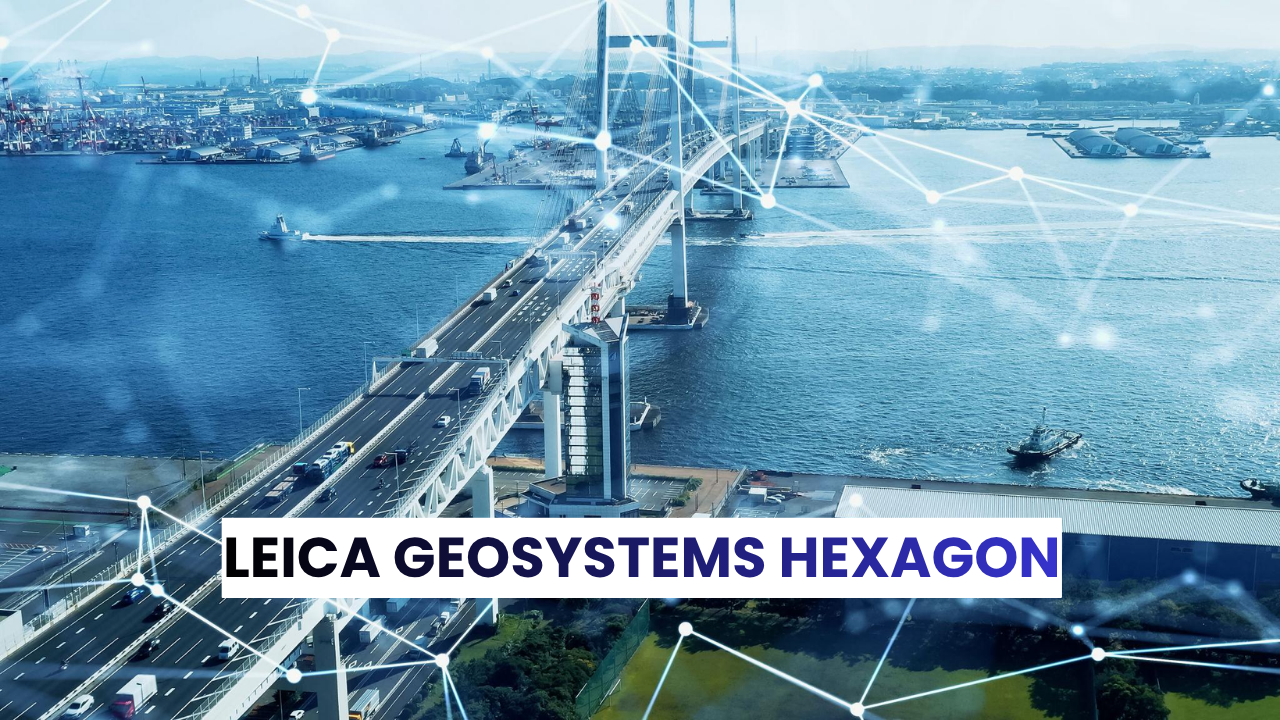
Modern cities rely heavily on data, and this is where leica geosystems hexagon plays a crucial role. Urban planners use its technologies to design smarter roads, bridges, transportation systems, and public utilities.
By creating digital twins of entire cities, engineers can simulate traffic flow, environmental impact, and infrastructure stress before making physical changes. This reduces risk and improves long-term sustainability.
Governments and private developers also use these systems for disaster management planning and infrastructure monitoring. For example, landslide-prone areas or flood zones can be analyzed more accurately using geospatial data.
The integration of leica geosystems hexagon solutions into smart city development is helping reshape urban living standards worldwide.
Industrial Impact and Real-World Applications
The influence of leica geosystems hexagon extends across several major industries. In construction, it is used for building layout, structural alignment, and quality control. In mining, it helps map underground resources and ensures safe excavation practices.
Transportation departments use its systems for road mapping and highway construction, while energy companies apply it in oil, gas, and renewable energy projects.
Even aerospace and defense industries rely on its high-precision measurement systems for mission-critical operations.
What makes leica geosystems hexagon unique is its adaptability across both outdoor fieldwork and complex digital environments. It allows seamless integration between field data collection and cloud-based analytics.
Digital Reality and Future Innovation
One of the most important concepts introduced by leica geosystems hexagon is “digital reality.” This idea focuses on creating a fully connected digital representation of the physical world.
Digital reality combines 3D scanning, AI analysis, sensor data, and cloud computing. This allows engineers and decision-makers to interact with real-world environments in a virtual space.
Hexagon continues to invest in automation, robotics, and artificial intelligence to expand these capabilities. As industries move toward Industry 4.0, leica geosystems hexagon is expected to play an even bigger role in shaping future infrastructure systems.
The long-term vision is to create fully autonomous systems where machines can measure, analyze, and build with minimal human intervention.
Company Profile Insights
When discussing leica geosystems hexagon, it is important to understand that it is not an individual or public personality. Therefore, details like age, height, family, or net worth do not apply.
Instead, the organization can be understood through corporate characteristics:
The company operates globally with headquarters in Switzerland under Leica Geosystems and Sweden under Hexagon AB. It employs thousands of professionals across engineering, software development, and data science fields.
Its leadership structure is corporate-based, focusing on innovation, research, and global expansion rather than personal branding.
In terms of public presence, leica geosystems hexagon maintains official communication through corporate websites and professional networks rather than social media personalities.
Why Industries Trust Leica Geosystems Hexagon
Trust in leica geosystems hexagon comes from decades of engineering reliability and innovation. Surveyors and engineers depend on its instruments because accuracy directly impacts project success.
The company also maintains strict quality standards and continuous innovation cycles. This ensures that its tools remain relevant in rapidly evolving industries.
Another key factor is integration. Unlike standalone tools, leica geosystems hexagon provides complete ecosystems that combine hardware, software, and analytics into one workflow.
This reduces complexity and improves productivity across large-scale projects.
Future Outlook
The future of leica geosystems hexagon is strongly connected to automation, AI, and sustainability. As global infrastructure demands increase, the need for accurate digital modeling will grow.
Emerging technologies like autonomous construction machines, real-time geospatial monitoring, and cloud-based collaboration are expected to expand rapidly.
Hexagon’s continued investment in digital reality ensures that Leica Geosystems remains at the center of global geospatial innovation.
Conclusion
leica geosystems hexagon represents far more than a technology brand—it is a complete ecosystem that connects the physical world with digital intelligence. Through advanced surveying tools, 3D scanning, and intelligent software platforms, it enables industries to build safer, smarter, and more efficient environments.
From construction sites to smart cities, its influence continues to expand across the globe. As technology evolves, leica geosystems hexagon will remain a key driver in shaping how the world is measured, modeled, and managed.
FAQs
Q: What is Leica Geosystems Hexagon?
A: It is a combination of Leica Geosystems and Hexagon AB, focusing on geospatial technology and digital reality solutions.
Q: What industries use Leica Geosystems Hexagon tools?
A: Construction, mining, transportation, energy, and urban planning industries widely use its solutions.
Q: What is digital reality in this context?
A: It is the process of converting real-world environments into accurate digital 3D models for analysis and planning.
Q: Is Leica Geosystems Hexagon a software or hardware company?
A: It provides both hardware (surveying instruments) and software (data processing and analytics platforms).
Q: Why is Leica Geosystems Hexagon important?
A: It improves accuracy, safety, and efficiency in engineering and infrastructure development worldwide.