


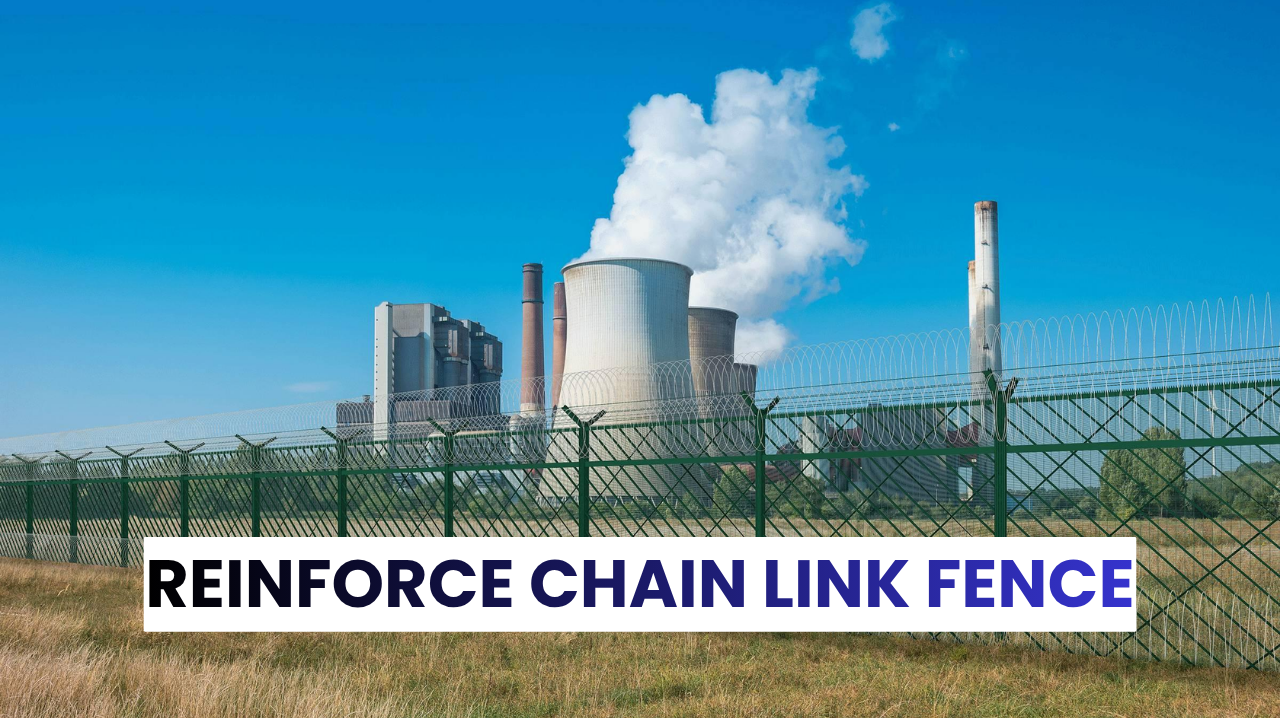
Chain link fencing has been a trusted solution for residential, commercial, industrial, and agricultural properties for decades. Known for its affordability, visibility, and durability, it remains one of the most widely used fencing systems worldwide. However, standard chain link fencing may not always provide the level of strength and security required for demanding environments. This is where a reinforce chain link fence system becomes valuable.
A reinforced fence is designed to withstand stronger impacts, harsh weather conditions, attempted intrusions, and years of continuous use. By upgrading structural components and improving installation methods, property owners can significantly increase the lifespan and performance of their fencing investment.
This guide explores everything you need to know about reinforced chain link fencing, including its purpose, advantages, installation methods, maintenance requirements, and practical applications.
Understanding Reinforced Chain Link Fencing
A reinforce chain link fence is a traditional chain link fence that has been strengthened through additional structural components and support systems. While a standard chain link fence consists of steel mesh attached to metal posts, reinforced versions include heavier materials and extra stabilization features.
These enhancements may involve thicker steel wire, stronger posts, top rails, bottom rails, tension wires, brace bands, and deeper concrete footings. Together, these components create a more secure and durable fencing system capable of handling greater stress and environmental exposure.
The primary objective of reinforcement is to improve structural integrity while maintaining the affordability and flexibility that make chain link fencing popular.
Why Reinforcement Matters
Many property owners initially install standard chain link fencing because it is cost-effective and easy to maintain. Over time, however, fences can experience wear from wind, heavy use, accidental impacts, and exposure to the elements.
Without proper support, sections may sag, posts can lean, and the mesh may become loose. A reinforce chain link fence helps eliminate these common problems by adding strength where it is needed most.
Reinforcement is particularly important for properties that require higher levels of security or experience severe weather conditions. Industrial facilities, sports complexes, warehouses, schools, and construction sites often depend on reinforced fencing to maintain safety and operational reliability.
Main Components of a Reinforced Fence
The strength of a reinforced fence comes from the quality of its individual components.
Heavy-duty steel posts serve as the foundation of the entire system. Larger and thicker posts provide better support for the fence fabric and improve resistance against movement caused by wind or impact.
Top rails connect fence posts and help distribute pressure evenly throughout the fence line. These rails prevent excessive movement and keep the structure aligned over time.
Tension wires are commonly installed along the bottom of the fence and occasionally at the top. They keep the mesh tight and reduce the likelihood of sagging.
Concrete footings play a crucial role in stability. Deep concrete foundations anchor posts firmly in place, minimizing shifting and extending the fence’s lifespan.
Thicker gauge wire mesh provides greater resistance to bending, cutting, and physical damage. This feature is especially beneficial in high-security applications.
Bio Table
| Attribute | Details |
|---|---|
| Topic | Reinforce Chain Link Fence |
| Article Type | Informative Home Improvement Guide |
| Industry | Fencing & Property Security |
| Purpose | Explain reinforced chain link fencing, benefits, installation, and maintenance |
| Suitable For | Homeowners, Businesses, Industrial Facilities, Schools, Farms |
| Main Benefit | Enhanced Security and Durability |
| Fence Material | Galvanized Steel, Vinyl-Coated Steel |
| Security Level | Medium to High |
| Maintenance | Low |
| Lifespan | 20–30+ Years (with proper maintenance) |
| Installation Type | Professional or DIY |
| Best Use Cases | Residential, Commercial, Industrial, Agricultural Properties |
Benefits of a Reinforced Fence
One of the most significant advantages of a reinforce chain link fence is enhanced security. Stronger materials and support systems make it more difficult for intruders to cut, bend, or climb the fence.
Durability is another major benefit. Reinforced fencing can withstand harsh weather conditions, including strong winds, heavy rainfall, and prolonged exposure to sunlight.
Property owners also appreciate the extended service life that comes with reinforcement. Because structural components experience less stress, repairs and replacements become less frequent.
Cost efficiency is another important consideration. While reinforced fencing may have a higher initial installation cost, its longevity often results in lower maintenance expenses over time.
Additionally, reinforced fencing maintains clear visibility, allowing property owners to monitor surrounding areas while still securing the perimeter.
Common Applications
The versatility of reinforced chain link fencing makes it suitable for a wide variety of environments.
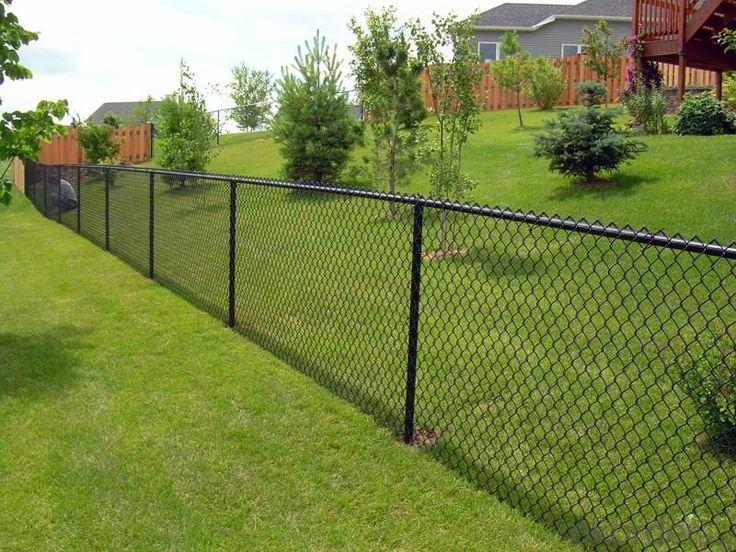
Residential properties often use reinforced fencing to protect yards, gardens, swimming pools, and pets. Homeowners appreciate the balance between security and visibility.
Commercial businesses frequently install reinforced systems around parking lots, storage areas, and office complexes. These fences help deter unauthorized access while preserving an open appearance.
Industrial facilities rely on reinforced fencing to secure equipment, inventory, and operational areas. Stronger fencing helps prevent theft and protects valuable assets.
Sports facilities benefit from reinforced chain link fencing because it can withstand repeated impacts from balls, equipment, and spectators.
Construction sites also utilize reinforced barriers to create secure boundaries and restrict access to hazardous areas.
Agricultural operations use reinforced fencing to protect livestock, crops, and equipment while maintaining durability in outdoor conditions.
Weather Resistance and Wind Protection
One of the most important features of a reinforce chain link fence is its ability to perform in challenging weather conditions.
Strong winds place considerable pressure on fencing structures. Reinforced posts, rails, and tension systems help distribute these forces more effectively than standard fencing.
Galvanized steel components provide excellent protection against corrosion and rust. Many modern systems also include vinyl coatings that add another layer of defense against moisture and environmental wear.
In regions that experience storms or seasonal weather changes, reinforced fencing often delivers significantly better long-term performance.
Installation Considerations
Proper installation is just as important as the materials themselves. Even the strongest fence components can fail if they are not installed correctly.
The process begins with accurate site measurements and careful planning. Post locations must be marked precisely to ensure consistent spacing and alignment.
Holes for fence posts should be deep enough to provide adequate support. Concrete is then poured around the posts to create stable foundations.
After the posts are secured, top rails and support braces are installed. The chain link fabric is stretched tightly between posts and attached using tension bars and bands.
Finally, tension wires and any additional reinforcement features are added to complete the system.
Professional installation is often recommended for large projects because it helps ensure optimal performance and longevity.
Maintenance and Care
Despite its strength, a reinforced fence still requires periodic maintenance to remain in excellent condition.
Routine inspections can identify loose fittings, damaged mesh, or signs of corrosion before they become significant issues.
Vegetation growing against the fence should be removed regularly. Excessive plant growth can place additional stress on the structure and trap moisture against metal surfaces.
Cleaning the fence occasionally helps preserve protective coatings and maintain its appearance.
If any sections become damaged, prompt repairs can prevent the problem from spreading and affecting overall stability.
With proper care, a reinforced chain link fencing system can provide reliable service for decades.
Security Upgrades
Many property owners choose to add additional security features to further strengthen their fencing systems.
Barbed wire is commonly installed along the top of commercial and industrial fences to discourage climbing.
Privacy slats can be inserted into the mesh to reduce visibility from outside the property.
Security lighting, surveillance cameras, and access control systems can also be integrated with fencing to create a more comprehensive protection strategy.
When combined with a reinforce chain link fence, these upgrades create a highly effective perimeter security solution.
Long-Term Value
Investing in reinforcement provides benefits that extend well beyond immediate security needs. Stronger fences require fewer repairs, experience less structural deterioration, and maintain their appearance longer.
For businesses, schools, industrial facilities, and homeowners, these advantages translate into lower long-term ownership costs and greater peace of mind.
A properly reinforced fence can remain functional for many years while continuing to provide dependable protection and boundary control.
Conclusion
A reinforce chain link fence is a practical and effective upgrade for anyone seeking greater strength, security, and durability from their fencing system. Through the use of stronger posts, reinforced rails, tension wires, thicker mesh, and concrete foundations, these fences offer superior performance compared to standard chain link installations.
Whether protecting a residential property, securing an industrial facility, or safeguarding a sports complex, reinforced fencing delivers a dependable balance of affordability, visibility, and long-term value. With proper installation and regular maintenance, it remains one of the most reliable perimeter security solutions available today.
FAQs
Q: What is a reinforce chain link fence?
A: It is a chain link fence strengthened with additional supports, thicker materials, and improved structural components.
Q: Is reinforced chain link fencing more secure?
A: Yes, reinforcement makes the fence harder to cut, bend, climb, or damage.
Q: How long does a reinforced chain link fence last?
A: With proper maintenance, it can last 20 to 30 years or even longer.
Q: Can reinforced fencing withstand strong winds?
A: Yes, reinforced posts, rails, and concrete footings improve wind resistance significantly.
Q: Is reinforced chain link fencing suitable for homes?
A: Yes, many homeowners use reinforced fencing for improved security, durability, and property protection.